

Plant-Based Beverage Market to Reach $71.8 Bn by 2032 from $29.4 Bn in 2025, Driven by Health Trends
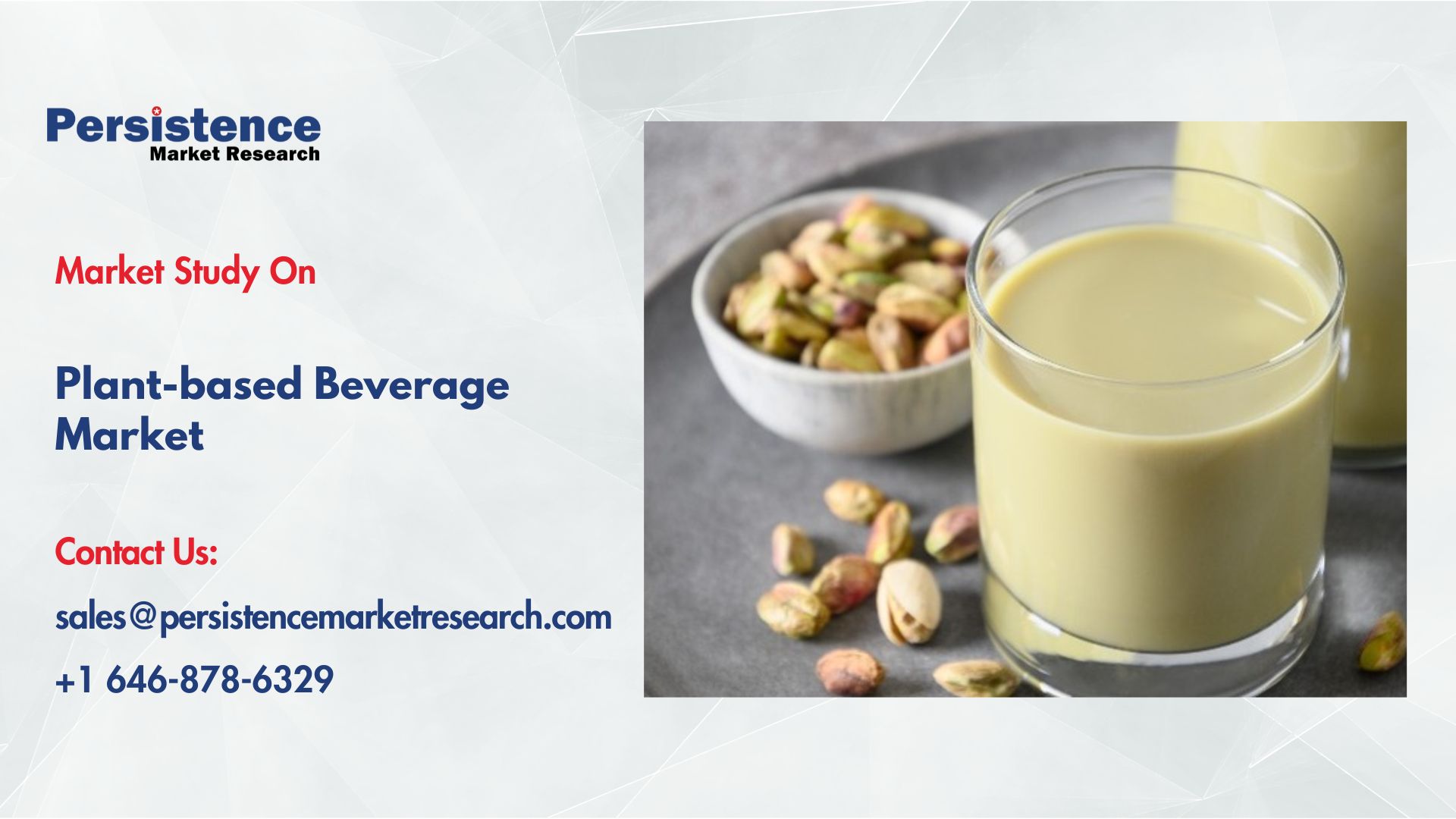
plant-based beverage market to reach US$71.8 Bn by 2032, driven by rising demand for cleaner nutrition, lifestyle shifts, & growing café-led beverage innovation
BRENTFORD, ENGLAND, UNITED KINGDOM, March 10, 2026 /EINPresswire.com/ -- The global plant-based beverage market size is valued at US$ 29.4 billion in 2025 and is expected to reach approximately US$ 71.8 billion by 2032, registering a compound annual growth rate (CAGR) of 13.6% during the forecast period from 2025 to 2032.
This significant growth reflects the accelerating shift toward plant-based nutrition and the rising consumer awareness of health and environmental benefits associated with plant-derived foods. Plant-based beverages are increasingly recognized as healthier alternatives to traditional dairy beverages, offering lower cholesterol levels, lactose-free properties, and enhanced nutritional profiles in many formulations.
One of the primary drivers fueling market expansion is the growing global prevalence of lactose intolerance. A substantial portion of the global population experiences difficulty digesting lactose, prompting many consumers to switch to plant-based beverage options that provide similar taste and functionality without digestive discomfort.
Another key growth factor is the increasing popularity of vegan and flexitarian diets. Consumers are actively reducing their consumption of animal-based products due to health concerns, ethical considerations, and environmental sustainability goals. Plant-based beverages have become one of the most accessible entry points for consumers transitioning toward plant-based diets.
Additionally, rising health awareness is encouraging consumers to choose beverages enriched with vitamins, minerals, and plant proteins. Many plant-based beverages are fortified with calcium, vitamin D, and vitamin B12 to replicate the nutritional value of dairy milk, making them attractive to health-conscious consumers.
Get Your FREE Sample Report Instantly – Click Now: https://www.persistencemarketresearch.com/samples/27625
Segmentation Analysis
By Source
• Soy
• Coconut
• Almond
• Oat
• Others
By Nature
• Plain
• Flavored
By Sales Channel
• Hypermarkets/Supermarkets
• Convenience Stores
• Specialty Stores
• Online Retail
• Others
Need Tailored Insights? Request Customization Now: https://www.persistencemarketresearch.com/request-customization/27625
Regional Insights
The global plant-based beverage market demonstrates strong growth across North America, Europe, Asia Pacific, Latin America, and the Middle East & Africa.
North America currently leads the global market, supported by high consumer awareness, strong vegan and vegetarian communities, and well-established plant-based food industries. The United States in particular represents one of the largest markets for plant-based beverages, driven by a growing focus on health, sustainability, and innovative food trends.
Europe also holds a significant share of the market. Countries such as the United Kingdom, Germany, France, and the Netherlands are witnessing increasing adoption of plant-based diets and dairy alternatives. Government initiatives promoting sustainable food consumption and environmental awareness are also encouraging the adoption of plant-based beverages in the region.
Asia Pacific is expected to be the fastest-growing regional market during the forecast period. Rapid urbanization, increasing disposable incomes, and changing dietary habits are driving demand for plant-based beverages in countries such as China, India, Japan, and South Korea.
Unique Features and Innovations in the Market
Innovation is a defining factor shaping the evolution of the plant-based beverage industry. Manufacturers are focusing on improving flavor, texture, and nutritional value to closely replicate traditional dairy beverages.
Technological advancements in food processing, fermentation, and ingredient formulation are enabling companies to develop plant-based beverages with enhanced creaminess and improved protein content. These improvements are addressing one of the major challenges historically associated with plant-based beverages—taste and texture consistency.
Emerging technologies such as artificial intelligence (AI) and data analytics are helping companies better understand consumer preferences and optimize product development. AI-driven market insights enable manufacturers to identify trending ingredients, flavor combinations, and nutritional demands.
Additionally, Internet of Things (IoT) technologies are improving supply chain management by enabling real-time monitoring of production facilities, ingredient sourcing, and product distribution. These technologies help ensure product quality, reduce waste, and improve operational efficiency.
Market Highlights
The rapid adoption of plant-based beverages is driven by several key market dynamics. One of the most significant drivers is the increasing consumer preference for healthier beverage alternatives. Plant-based beverages are typically cholesterol-free and often lower in saturated fats compared with dairy milk.
Environmental sustainability is also a major factor influencing consumer choices. The production of plant-based beverages generally requires fewer natural resources such as water and land compared with conventional dairy farming. As a result, environmentally conscious consumers are increasingly choosing plant-based options.
Another important factor is product innovation. Beverage companies are continuously introducing new formulations that include additional nutrients such as plant proteins, omega fatty acids, and probiotics.
Cost efficiency and scalability of plant-based ingredient production are also improving, enabling companies to offer competitive pricing while maintaining high product quality.
Government regulations and food labeling standards are encouraging transparency in ingredient sourcing and nutritional claims, which further strengthens consumer trust in plant-based beverage products.
Secure Your Full Report – Proceed to Checkout: https://www.persistencemarketresearch.com/request-customization/27625
Key Players and Competitive Landscape
• Danone S.A.
• Blue Diamond Growers, Inc.
• The Hain Celestial Group, Inc.
• Vitasoy International Holdings Ltd.
• Califia Farms, LLC
• SunOpta
• Ripple Foods
• The Coca-Cola Company
• Kikkoman Corporation
• Pacific Foods of Oregon, LLC
• Harmless Harvest
• Noumi Ltd.
• Organic Valley
• PureHarvest
• Others
Future Opportunities and Growth Prospects
The plant-based beverage market is expected to experience substantial growth opportunities in the coming years as consumer preferences continue to evolve toward healthier and more sustainable food choices.
Emerging markets are likely to play a critical role in future market expansion as rising middle-class populations and increasing health awareness drive demand for alternative nutrition solutions.
Technological innovations in plant protein extraction, fermentation, and beverage formulation will further enhance product quality and nutritional value. These advancements will enable companies to develop next-generation plant-based beverages that closely mimic the taste, texture, and nutritional profile of traditional dairy products.
Regulatory developments related to food labeling, sustainability standards, and nutritional transparency will continue to shape the industry landscape. Companies that adapt quickly to these changes while maintaining product innovation and supply chain efficiency are expected to gain a strong competitive advantage.
Explore the Latest Trending Research Reports:
Algal Oil Market
Organic Plantain Crisps Market
Aishwarya Doiphode
Persistence Market Research
+1 646-878-6329
email us here
Visit us on social media:
LinkedIn
Instagram
YouTube
X
Legal Disclaimer:
EIN Presswire provides this news content "as is" without warranty of any kind. We do not accept any responsibility or liability for the accuracy, content, images, videos, licenses, completeness, legality, or reliability of the information contained in this article. If you have any complaints or copyright issues related to this article, kindly contact the author above.
